In November of 2025, the eastern region of the DRC saw a wave of violence that reportedly killed 89 civilians; the attacks were carried out by the Allied Democratic Forces (ADF), which are an armed group from Uganda. The ADF which was formed in Uganda sometime in the 1990’s has been responsible for thousands of deaths; the group is also linked to the Islamic State in Central Africa (ISCA). In one of the most devasting attacks, 17 civilians were killed at a medical center in the city of Byambwe, the dead included women who were receiving maternity care, and they also burned four medical buildings. This unabated violence against civilians have worsened an already catastrophic breakdown of the society; there has been looting of medical supplies, burning of homes, kidnappings, and the destruction of community property. The devastation and genocide taking place in the DRC, did not just begin with the collusion of the Ugandan and Rwandan mercenaries, it began with the colonial takeover by Belgium under King Leopold II.
The Killing of Democracy in the DRC – Belgium and The United States
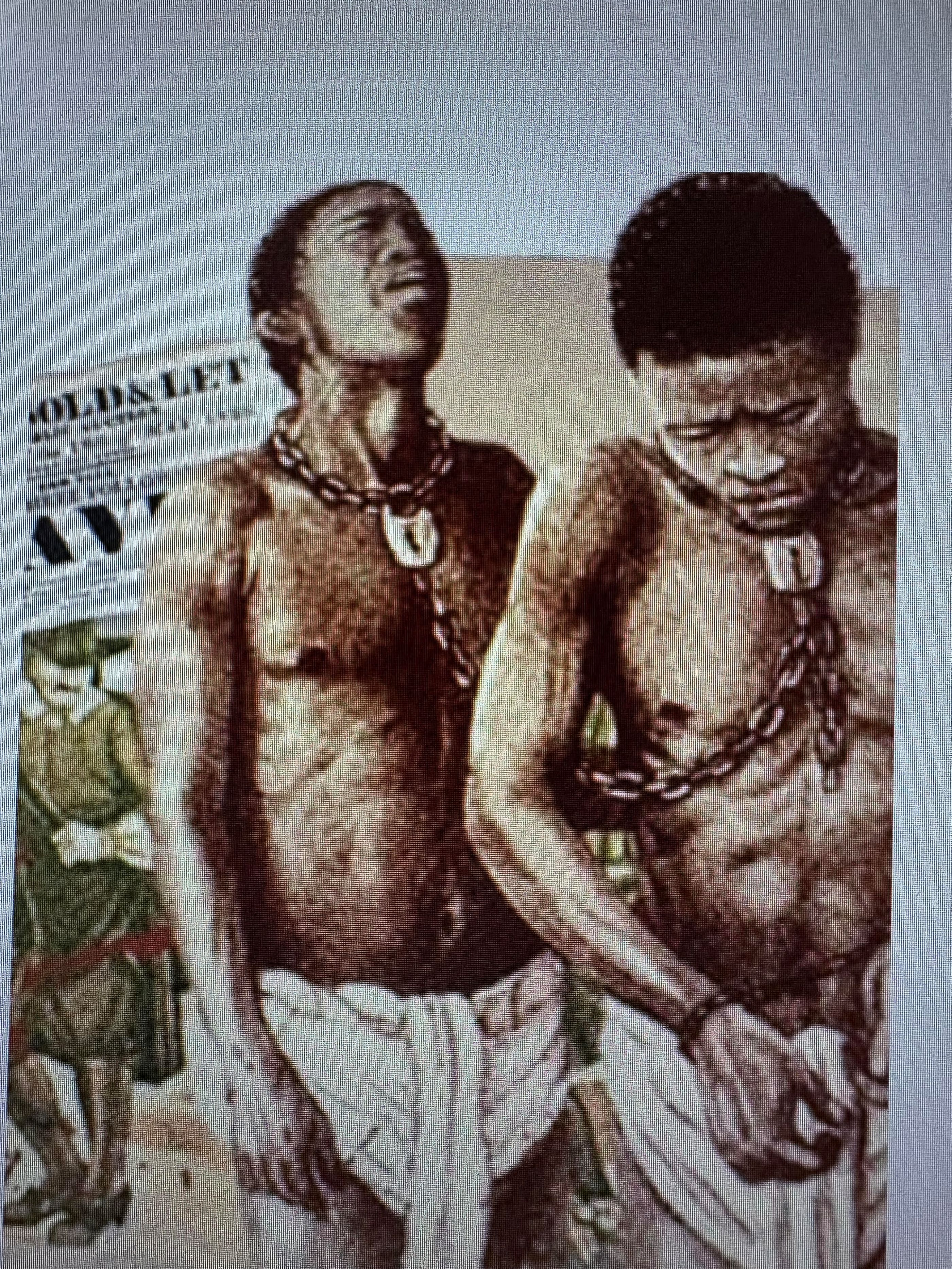
In 1885 King Leopold II of Belgium was recognized as the sole owner of what he called the Congo Free State. Leopold II ruled over his private colony state for 23 years with the most brutal and murderous Administration in the annals of modern history. Inhumane punishments, beatings, killings, and dismemberment were widespread practices of the treatment meted out against the Congolese people, worsened by famine and widespread diseases. Some estimates report that between 10 and 15 million Congolese were killed under the reign of Leopold II. Congo is one of the leading sources of natural rubber and Leopold II through forced labor, exhaustingly enriched himself. Although he later personally transferred his holdings to his country, the colonial domination and exploitation continued. The mining of gold, diamonds, copper, zinc, tin, cobalt, and uranium were the main economic activities of foreign multinationals.
In 1960 Congo won its independence from Belgium with Patrice Lumumba as the first democratically elected Prime Minister. Local and international reaction by the Congolese oligarchs, Belgium, and United States forces, began a campaign of opposition including the destabilization of Lumumba’s Administration. Lumumba’s Program included the full and complete decolonization of Congo for the benefit of its people. He believed in progressive nationalism based on self-determination, ownership, and control of the country’s natural resources, and the inclusion of the masses in the political life of the country, and a Foreign Policy of solidarity with oppressed people. With the escalation of the destabilization unrest in the Country, headed by Moise Tshombe and Joseph Mobutu of Congo, and Dwight Eisenhower of the United States, Lumumba and President Kasavubu requested military assistance from the United Nations (UN). Instead of using the UN peacekeeping mission - already in the country - to assist in protecting and maintaining peace, the Secretary General of the UN Dag Hammarskjold, met with Moise Tshombe instead, who was one of the leaders of the destabilization and violence taking place in Congo aided by Belgium and the United States through the Central Intelligence Agency (CIA).
Despite Lumumba’s 60 to 19 votes in the House of Representatives, Colonel Mobutu carried out a coup which forced Lumumba to escape to a city where he had staunch support. Subsequently he was captured by Mobutu’s soldiers, tortured, and killed along with three of his compatriots on January 17, 1961. “Their bodies were dismembered, doused in acid and pulverized; nothing was left of the three nationalist leaders” according to Ludo de Witte in his book The Assassination of Lumumba. Ghana’s President at the time the late Kwame Nkrumah said in his eulogy: “The UN not only failed to maintain the law and order - they had been invited to preserve - but also denied to the lawful government all other means of self-protection. They failed to prevent his arrest by mutineers or his transfer through the use of airfields under their control, into the hands of the Belgian dominated government of Katanga.”
United States “Colonization” In the Congo
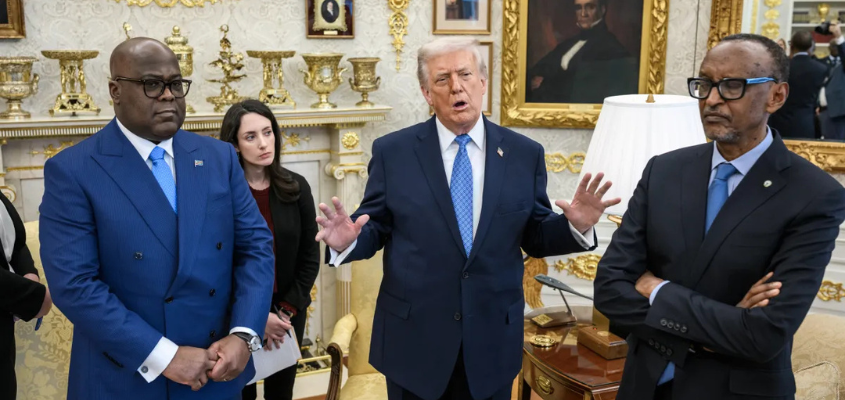
The Democratic Republic of Congo (DRC) is rich in natural resources: rubber, uranium, cobalt, and other minerals and precious metals used in the manufacture of cell phones, batteries, and other consumer products, are abundant in the Country. The mining of cobalt in Congo is one of, if not the worst human labor atrocity in modern history. It’s been reported that approximately 40,000 cobalt miners are children who work without any type of Personal Protection Equipment, under extremely brutal and life-threatening conditions for as little as $2 per day. Under these conditions the life expectancy in Congo as of 2023 is 61 years. According to World Bank figures for the year 2024, the GDP of the DRC is just $70,749 Million. Despite these devastating and inhumane socioeconomic conditions, the people of Congo are subjected to more poverty and social collapse, with the signing of the agreement between President Donald Trump of the United States, President Paul Kagame of Rwanda, and President Felix Tshisekedi of the Democratic Republic of Congo.
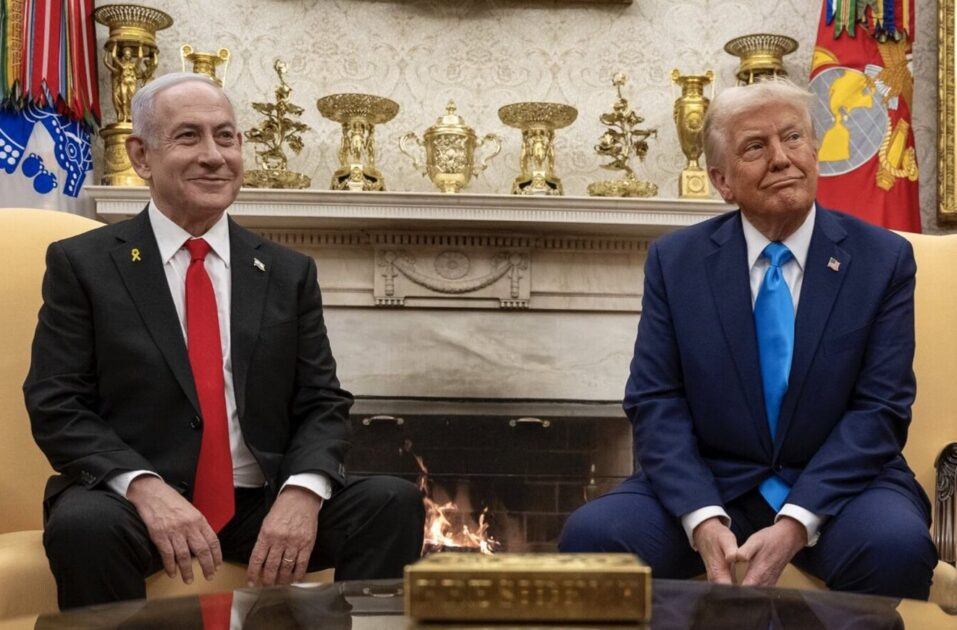
On Thursday December 4, 2025, the three leaders met at the White House to sign what is erroneously and misleadingly called a “peace agreement.” This signing by the three leaders is nothing more than formalizing and reinforcing US capitalists' interest in the continued control and exploitation of the natural resources of Congo. Congo’s leadership has voluntarily given away the birthright of the Congolese masses to the local oligarchs and US imperialism. Four agreements were signed on December 4: A Joint Declaration; Regional Economic Integration Framework; Health Cooperation Agreement and the Strategic Partnership Agreement. This latter agreement ensures the “investment by invitation” policy of most reactionary and neoliberal governments, and also the protection of capital from mass dissent and opposition. This will undoubtedly translate to increased military intervention against activists and Human Rights groups.
The Strategic Partnership Agreement in part reads: “Affirming the importance of building on the Democratic Republic of Congo’s ongoing reforms to foster an investment climate conducive to attracting and retaining foreign direct investment, particularly in the mining sector, through clear, predictable, and transparent regulatory frameworks;” and further “Acknowledging the Democratic Republic of the Congo’s desire to strengthen its national security and stability for the benefit of its people, and to ensure the protection and resilience of its mineral supply chains in support of mutual economic and strategic interests with the United States” These are complete capitulation by Congo’s leadership to the interests of capital and collaboration with the enemy of the masses.
The day after the signing of this “colonizing” agreement the Rwandan backed militia, M23, attacked the South Kivu province in eastern Congo. Approximately 200,000 people were displaced from their homes; the UN reported on December 8, 2025, that 74 people were killed, mostly civilians. The eastern region of Congo is critical in maintaining and profiting the political economy of the war and ensuring huge profits for the multinationals and the consumerism market. Minerals such as tungsten, tantalum, and tin, are necessary raw materials for the manufacture of electronics and used in the automotive and aerospace industries. The M23 militia transport them to Rwanda from where they enter the international markets. Militarization has always been in the service of capital; in Congo, it is just on a larger and more oppressive scale.
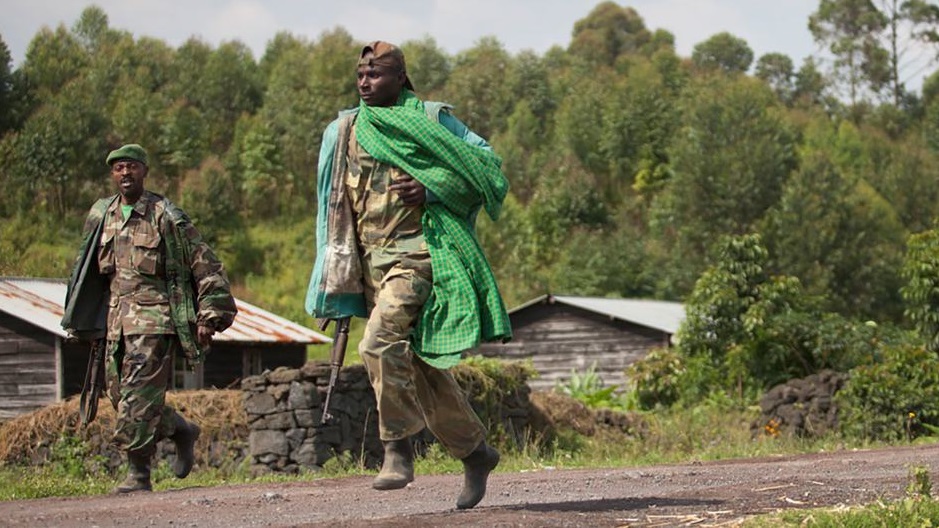
M23 fighters heading towards provincial capital of Goma, eastern DRC - Photo: Sylvain/Liechti & MONUSCO.jpg
The colonialists have formally left the countries they occupied, but they continue to dictate, influence and control everyday life through their puppets, technocrats and other local “operatives.” The oppressor has always adapted to the new conditions of where they operate. Where outright assassination is inconvenient at any given time, they resort to destabilization, unilateral sanctions and “peace agreements,” to disguise their sinister stranglehold on a country’s natural resources. Conflicts from 1996 to the present, plus the resultant malnutrition and disease, have killed six million people.
The Congolese People Must Revive and Restore the Legacy of Lumumba
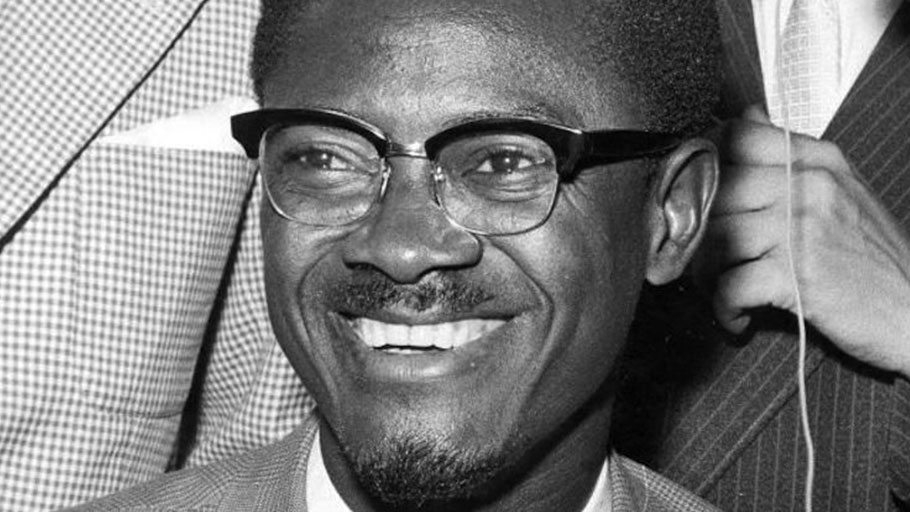
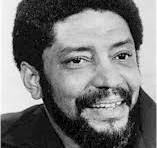
The late Prime Minister of DRC Patrice Lumumba - Photo: ibw21.org
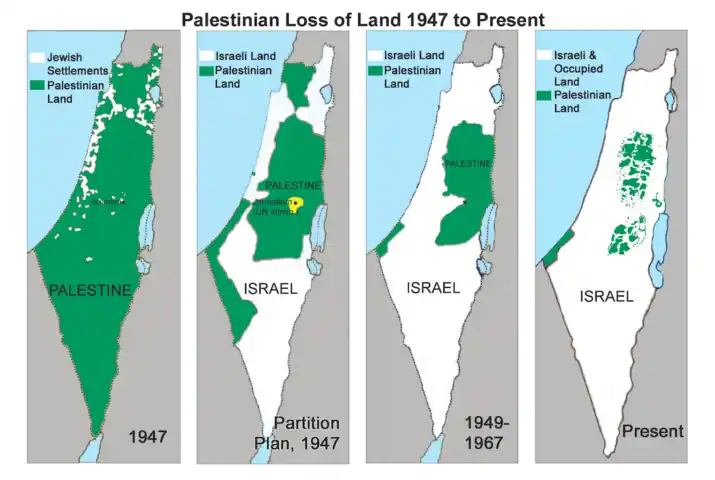
It is clear that just like Israel’s continued genocide in Palestine, once again the international community has failed to offer protection, accountability, and justice to an oppressed people. The complete liberation of the Congolese people rests on the complete organization and mobilization of the masses; it calls for a new thinking, and unification of the dissident groups, in forming a united front against the enemies of the people, foreign and domestic. The continued oppression is in part a reflection of the disorganization and weakness of a mass movement. The military atrocities undoubtedly have inflicted a level of organizational lethargy among progressive groups; however, the enemy is never undefeatable. Their strength cannot be overemphasized or their weakness underestimated.
The struggle for national liberation at times is a prolonged, persistent, and decisive battle. It requires patience, ideological clarity, and strategic and tactical approaches, informed by a proper theoretical understanding of the struggle and what is needed for true liberation.








Share with your network