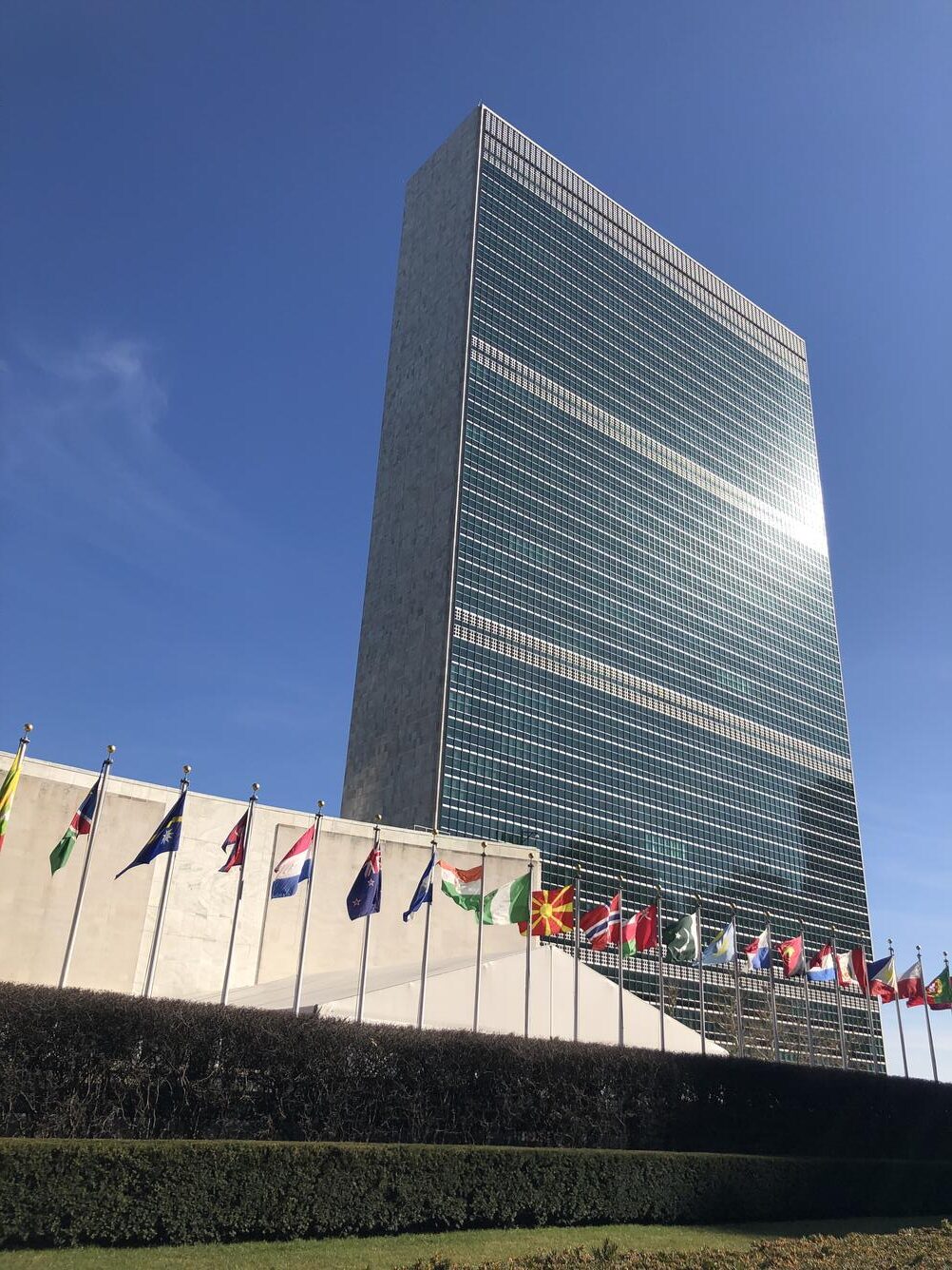
The 81st General Assembly session of the United Nations (UN) opened in New York City on September 8, 2026, and will continue until September 29, 2026. This session takes place at a very critical period of global development: The unprovoked war against Iran by the United States; the continued genocide of the Palestinian people by Israel and its destabilization of the “middle east” by military operations in Syria, Lebanon, and the West Bank; the worsening humanitarian crisis in Yemen; the continued war between Ukraine and Russia; the invasion of Venezuela and the kidnapping of its President and First Lady; the bombing of fishing boats by the US in international waters; a worsening Climate Crisis including a rise in sea levels, and the threatened takeover of Artificial Intelligence (AI). Against this background is the concentration of capital in fewer and fewer hands creating a growing oligarchy; the existential food insecurity among countries of the Global South, along with the underdevelopment gap between the rich and poor countries, becomes wider.
The executive director of Oxfam, Amitabh Behar, speaking on an interview on Democracy Now September 18, 2026 said: “Just look at the obscenity of inequality. At the moment, 3,000 billionaires have a combined wealth of $18.3 trillion, that is almost the GDP of China. This at a time when a quarter of the global population actually lives with food insecurity. Almost 780 million sleep hungry; they do not get three square meals a day.”
The Weaknesses and Double Standards of The UN
In 1945 after the devastation of World War II experienced especially by Europe, fifty countries formulated the UN Charter; the General Assembly has now grown to 193 countries. In addition, Palestine and Vatican City has observer status. The goal of the UN was the promoting of peace, security, human rights, and international cooperation. In its 81-year existence, the UN has undergone structural changes and have seen more than its fair share of international conflicts. However, the UN is now experiencing a completely different world, with conflicts nowhere near the scale and threat to human existence, which did not exist in 1945. These objective realities present challenges for the international body to address in keeping with its mandate at inception. For the UN to be effective, relevant, and fulfill its mandate as when founded, it must eliminate the blatant double standards it has practiced for decades. It unhesitatingly sanction countries it does not like and turns a deaf ear to those it favors or want to appease.
This week of September 21 to September 26 is critical, there are several crucial topics scheduled for debate, which affects the existentialism of the global community: Right to Development; Climate Action and Just Transition; Sea Level Rise meeting; Durban Declaration & Total Elimination of Nuclear Weapons. It was hoped that the agenda would include discussions about the continent of Africa being represented on the UN Security Council. The continent of Africa has a population of 1,584,985,265 distributed across 54 countries, with a global GDP projected at $3.56 trillion for 2026. Based on these objective realities, there is no rational reason why Africa should not be represented as a permanent member of the UN Security Council.
As a collective body, the UN is only as strong as its membership is. There was a time when the UN could be counted on to take principled and unequivocal positions on international conflicts. Today, with the ascendance of far-right governments, the UN has become weak and ineffective, and overly cautious in taking principled positions on international conflicts. No reasonable person expects the UN to change the world or “browbeat” any country into compliance with the Charter; however, the concept of accountability and consequences should be forthrightly expected for violations of the Charter. Had it not been for South Africa taking the lead in filing genocidal charges with the International Criminal Court (ICC) against Israel for its genocide in Gaza, the entire body would have remained in relative silence and “sit on their hands” as they have been doing throughout.
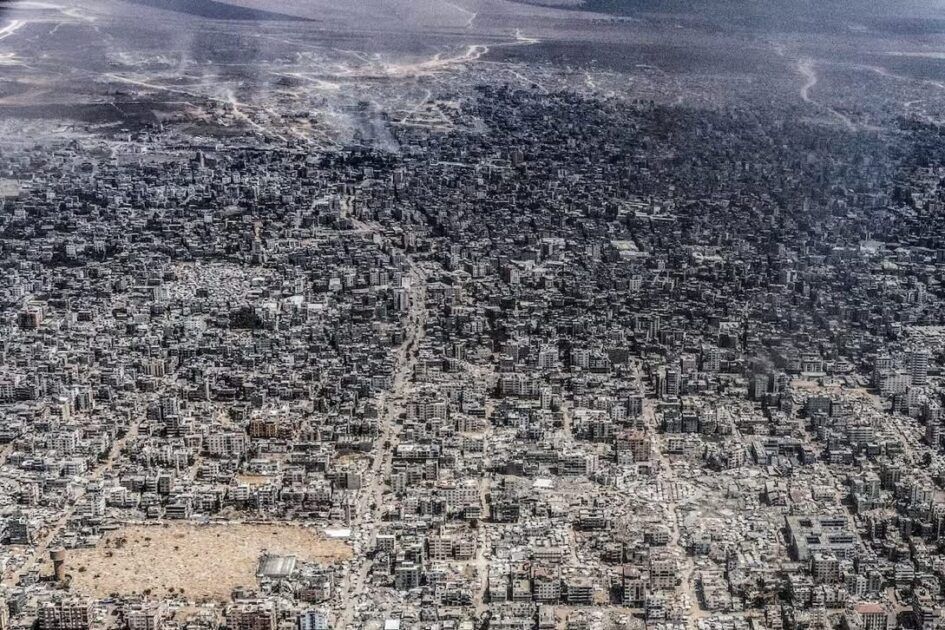
The equivalent of 6 Hiroshima bombs, have been dropped on Gaza - Photo: CounterPunch
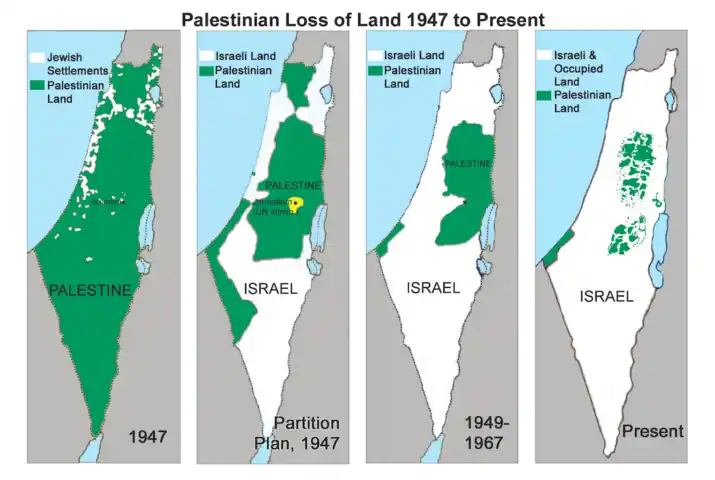
The devastation in Gaza has been referred to as “the greatest destruction of an urban area in modern history.” Despite the “flowery” words from some United Nations officials, and an occasional simplistic comment from the leader of some countries, the devastation taking place in Palestine has gone relatively quiet by the international community. Now an even more pervasive weapon of starvation has been unleashed on the remaining civilian population. Famine has reached the “worst-case,” a U.N. affiliated group says. “Overall deaths are often quoted in the range of 60,000 but could well run into the hundreds of thousands. Most of those who survive will experience ill effects through life, physical and psychological” (Patrick Mazza, Counterpunch). The State of Israel has extended its military operations to the West Bank, Lebanon, and incursions in Syria. What rationale does the UN have for not placing definitive sanctions on Israel? In this regard alone, the UN is weak and perpetuates a double standard in the way in which it sees and addresses international conflicts. The international community has for decades refuse to acknowledge the occupation, genocide and ethnic cleansing taking place in Palestine.
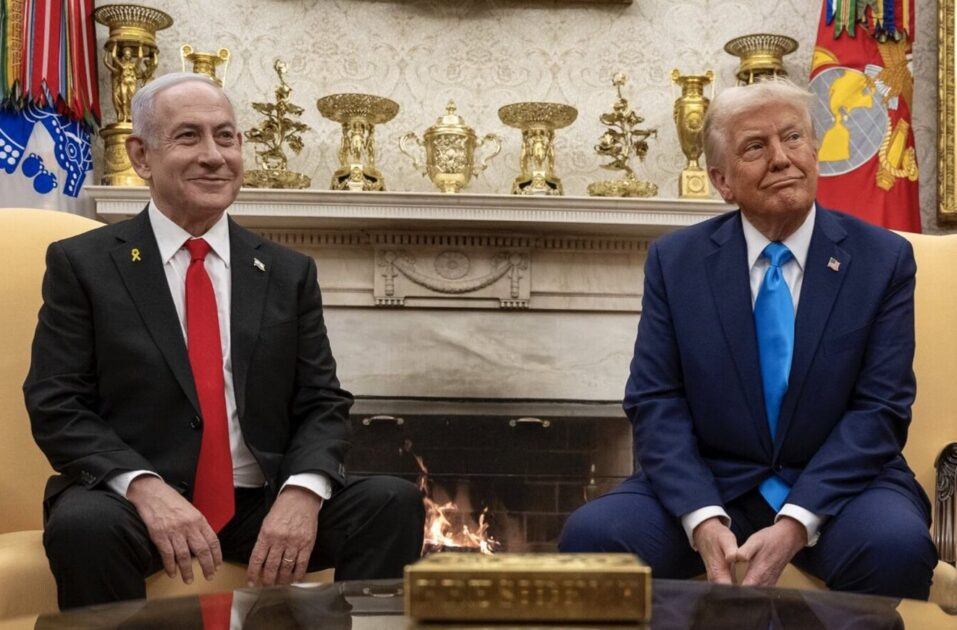
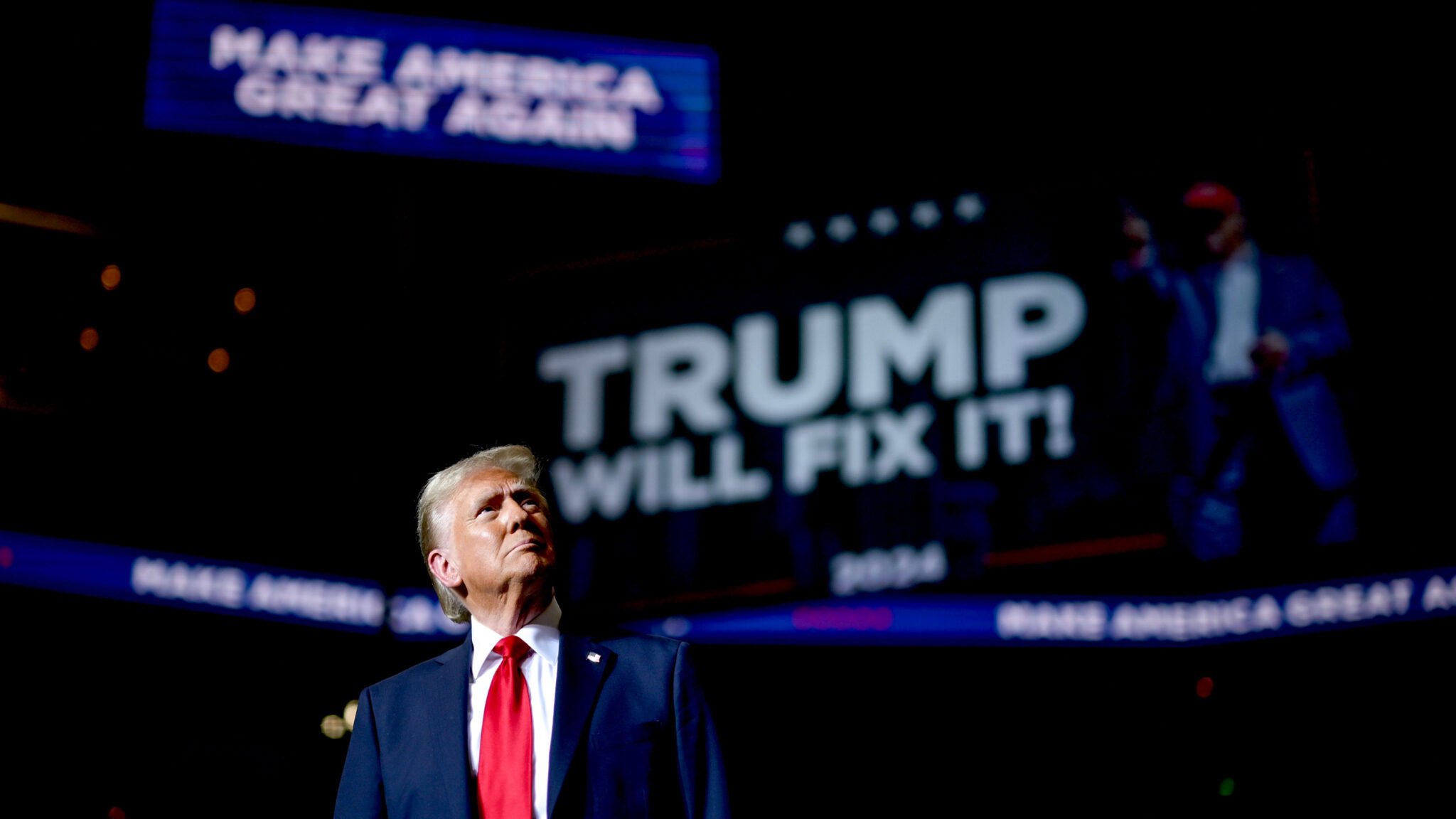
The speech by US President Donald Trump was intellectual buffoonery, devoid of leadership protocol and displayed a disdain and arrogance towards International Law. To speak callously at a world forum about the annihilation of a sovereign country, Iran, shows a threat to global peace and security; the arrogance and obsessive “great power” chauvinism of the US, has extended beyond its borders. Some countries have even publicly expressed concern that their country could be invaded by the United States. This is an unsettling situation and does not promote the cause for world peace as initially conceived in the UN Charter.
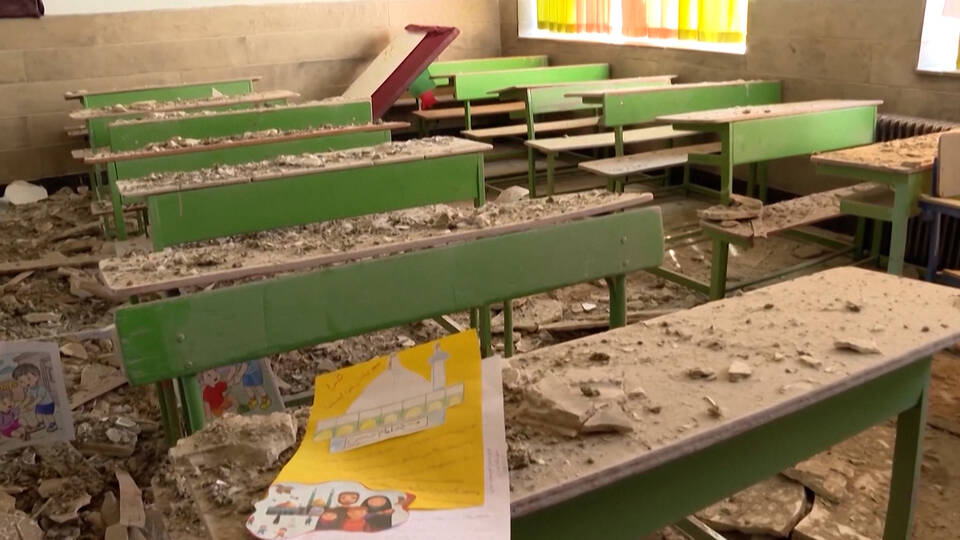
The interior of a school building, bombed by US air strike - Photo: democracynow.org
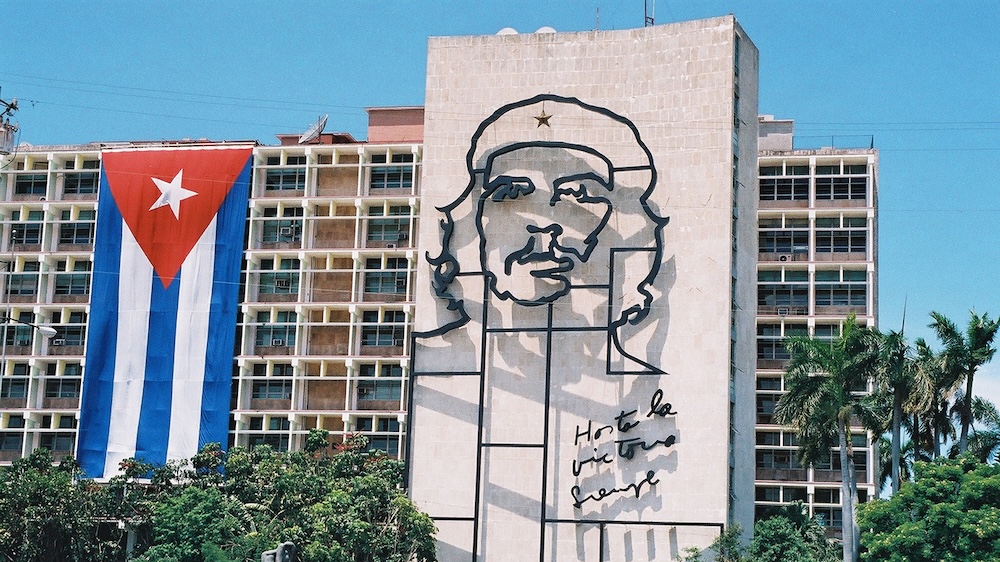
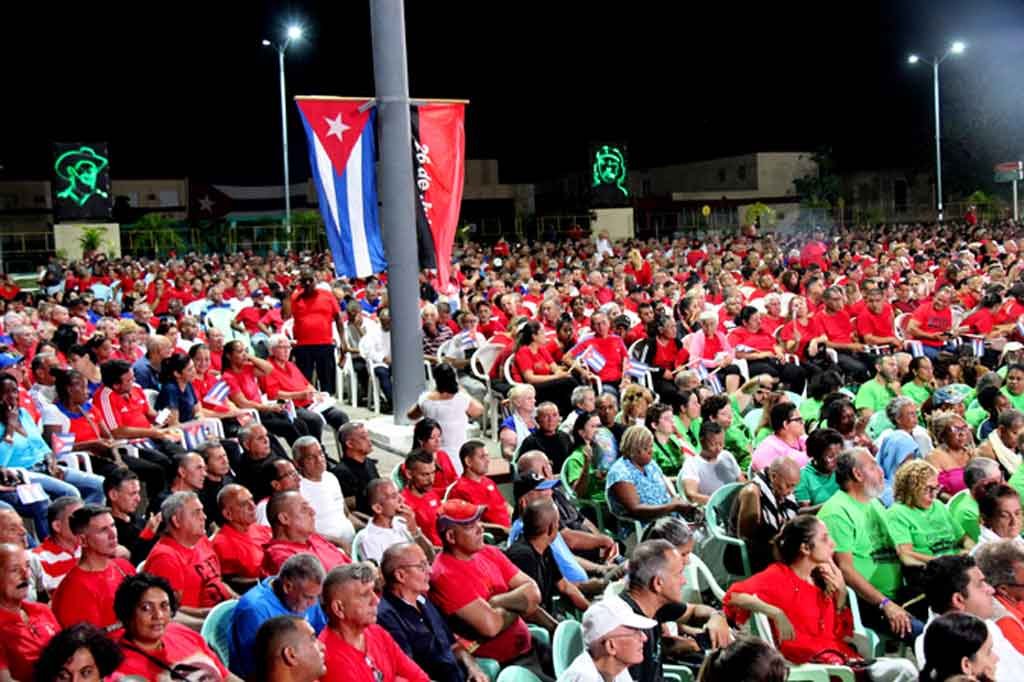
Last but by no means least is the escalation of the US embargo against the Peoples Republic of Cuba. For 66 years, successive US Administrations have enforced and continue a unilateral, immoral, and illegal embargo against Cuba, which have escalated to genocidal level under this second term of the Trump administration. To cut off petroleum supplies to the island of Cuba, is beyond inhumane; it is a form of economic and social genocide. The Cuban government has reported that the economic loss between March 1, 2025 and February 28, 2026 amounts to US$8.08 billion; the cumulative loss from the embargo is estimated at US$178.7 billion. Apart from its intent to cripple the Cuban economy, foment unrest and social chaos in order to topple the Cuban government, it directly renders hospitals and the Health Care System dysfunctional, which will result in unnecessary deaths.
The UN at The Crossroads
For the United Nations to remain relevant and improve its effectiveness as a collective, it needs to review its performance over the decades especially how conflicts are handled. The effectiveness will have to come from the membership of the General Assembly and the Security Council which acts as a kind of “go between” for the general body. That places critical action on the development of social movements within the respective countries. That translates to organize, agitate, and mobilize for the advancement of progressive socio-economic change, and the coming to power within their respective countries. This will significantly impact the misuse of the veto powers within the United Nations Security Council (UNSC). The UNSC has used its veto powers to quash Resolutions passed by the General assembly; it arbitrarily approves Resolutions on countries it agrees with or countries it is friendly with, while throwing out those Resolutions related to countries it does not like. This is opportunism and unprincipled and certainly does not help the causes for which the UN Charter was first intended.
The adjunct agencies of the UN which provide humanitarian assistance to programs within member countries must demand adequate funding from the general body in order to effectively carry out and fulfill their mission. These agencies should also guard against their agency being weaponized or used to spy on or influence dissent against social injustice. Resistance to occupation, genocide and other forms of social injustice requires no justification; an oppressed people have the inalienable right to fight for their liberation. Humanitarian assistance should not be predicated on one’s perception of the validity of social resistance.
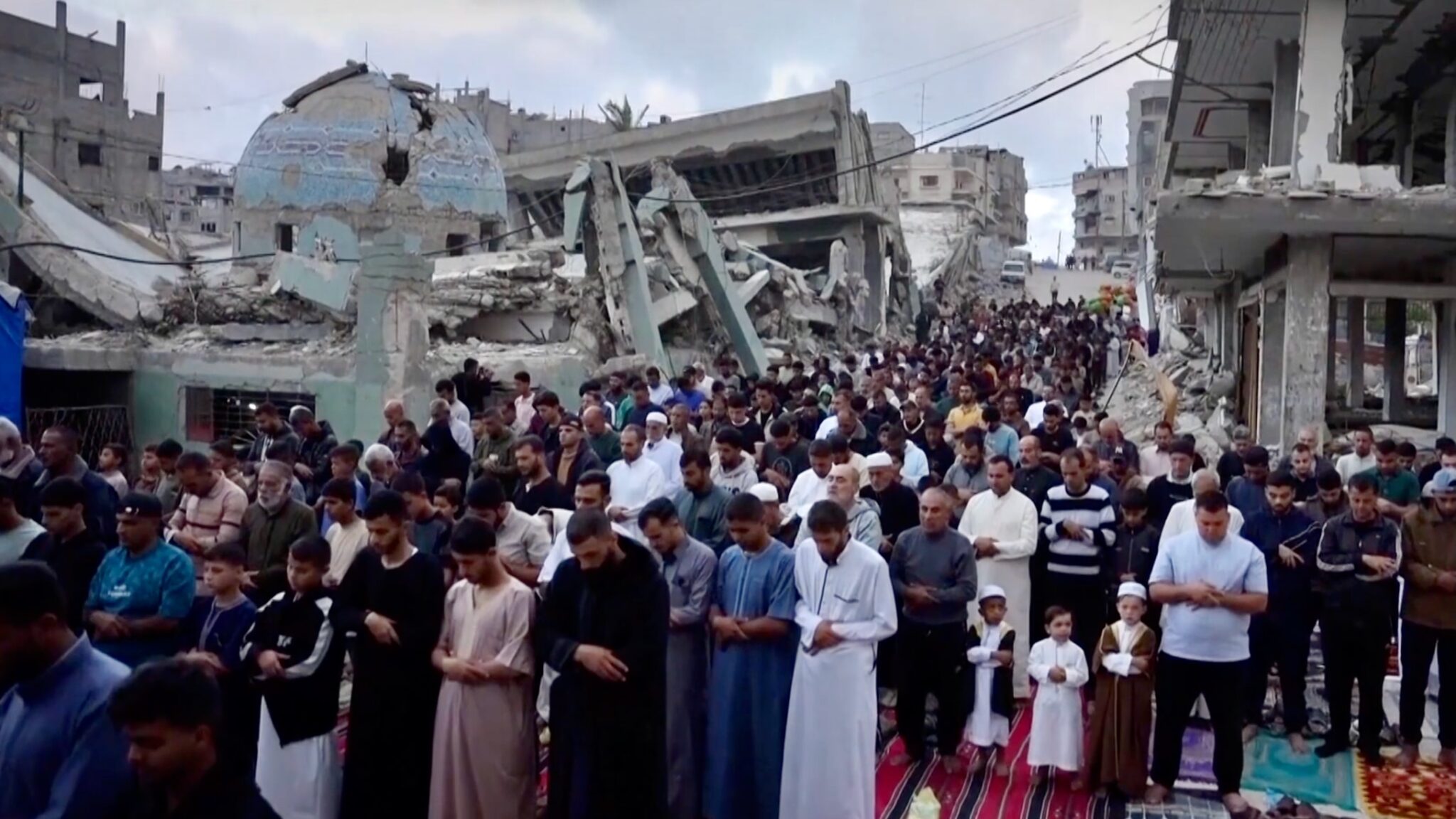
Palestinians observing Eid Al-Adha amid Israeli bombing in May this year - Photo: screenshot
Despite its weaknesses the United Nations remain a critical and useful world body and has helped to keep the world from plunging into another world war. There have been attempts to nullify its existence by threats to withhold funding contributions, demonizing its agencies, and in some instances the dissolution of UN humanitarian agencies in member country, and the downright ignoring of Resolutions passed by the General Assembly. It is left to the masses of the member countries to struggle to preserve this world body; it is an existential imperative.









Share with your network