“If we must die, let it not be like hogs hunted and penned in an inglorious spot, while round us bark the mad and hungry dogs, making their mock at our accursed lot. If we must die, O let us nobly die, so that our precious blood may not be shed in vain….Like men we will face the cowardly pack, pressed to the wall, dying but fighting back” – Claude McKay
This profoundly revolutionary poem was published in 1919, in response to the mob attacks on Black communities including lynchings, across the United States. In the face of the “economic genocide” the US embargo is causing in Cuba, the tenacity and resilience of the Cuban people, resurrect and gives continued relevance to these timeless words.
Social and Economic Costs of a Failed Fanatical Obsession
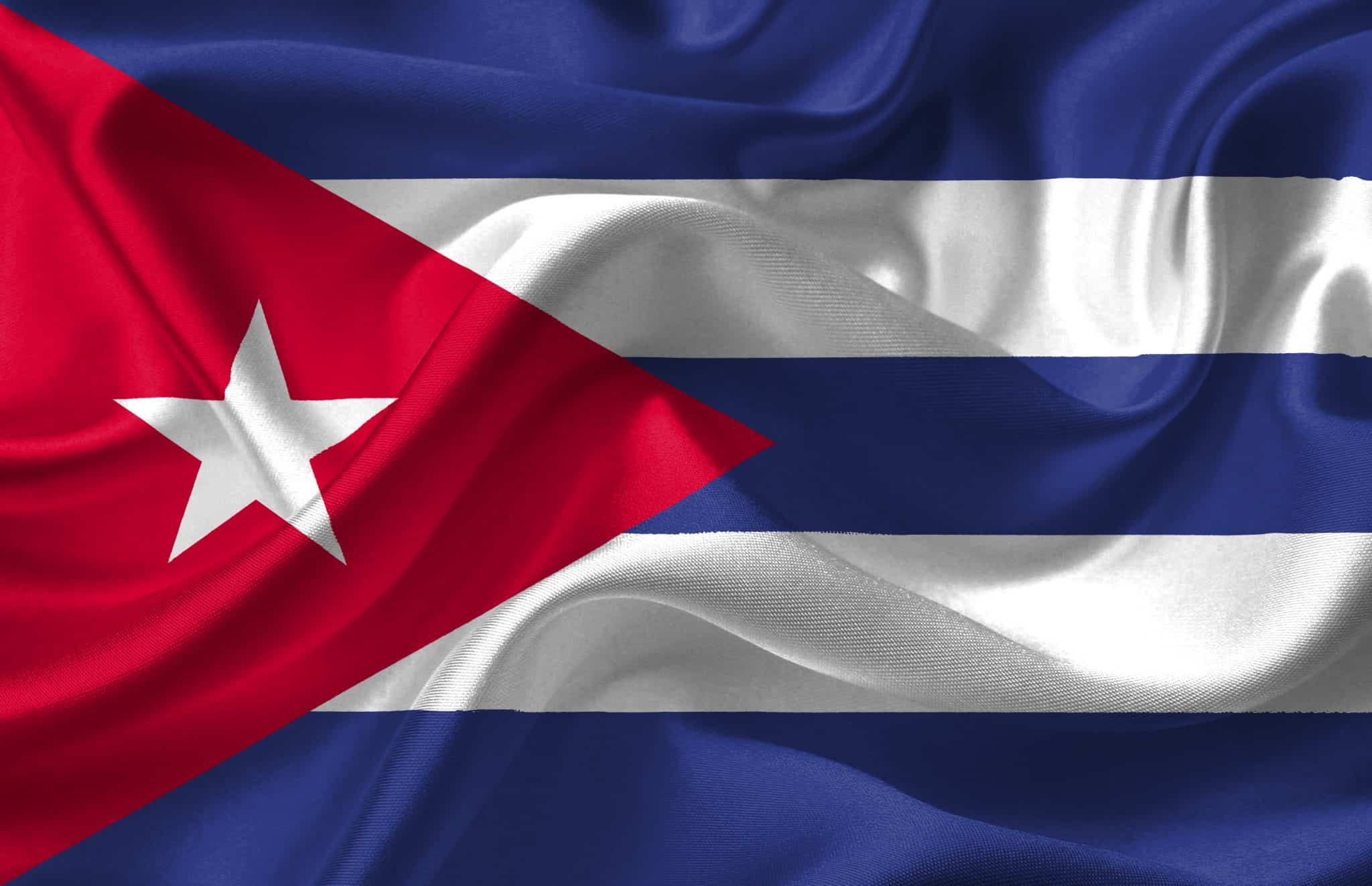
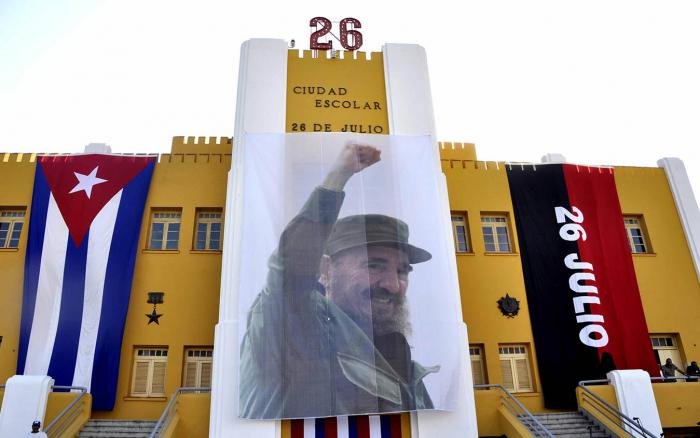
The Cuban Revolution became triumphant on January 1, 1959, when Fidel Castro and his compatriots rode into Havana. By 1960 the United States government imposed an energy and agricultural embargo on Cuba. In April of 1961, a group of Cuban dissidents living in Miami, trained and supported by the Central Intelligence Agency (CIA), carried out a failed invasion against Cuba, at the Bay of Pigs (Playa Giron) on the southwest coast of the island. By January of 1962, a full trade embargo was imposed by the US government, under the leadership of John F. Kennedy. The Bay of Pigs invasion by Cuban exiles, was an attempt to drown in blood the Cuban Revolution in its infancy. Ever since, the US has pursued a course of increasing hostility and fanatical obsession in toppling the Cuban government: The unilateral embargo; fomenting local unrest; assassination attempts against late President Fidel Castro; threats against friendly countries who want to give Cuba assistance, and now the blockade of oil and petroleum products.
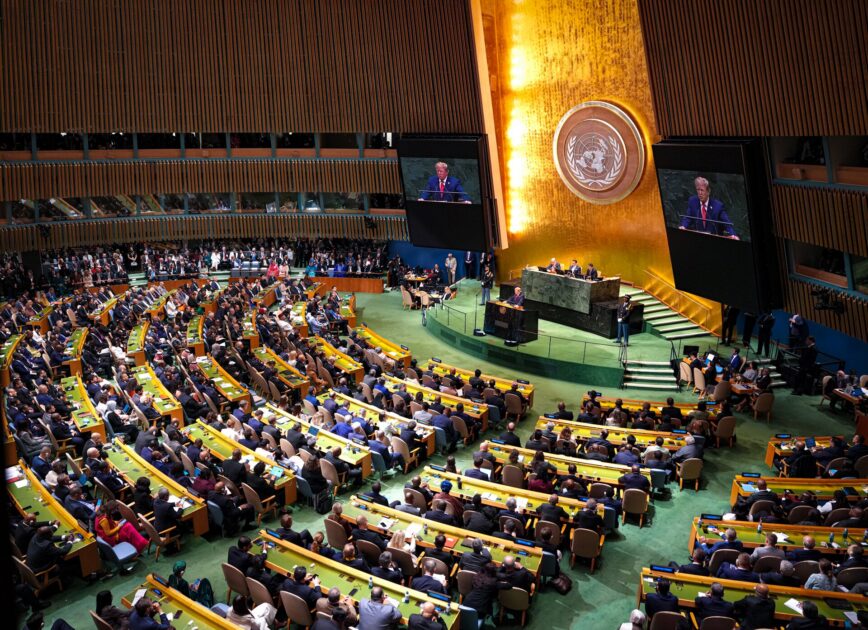
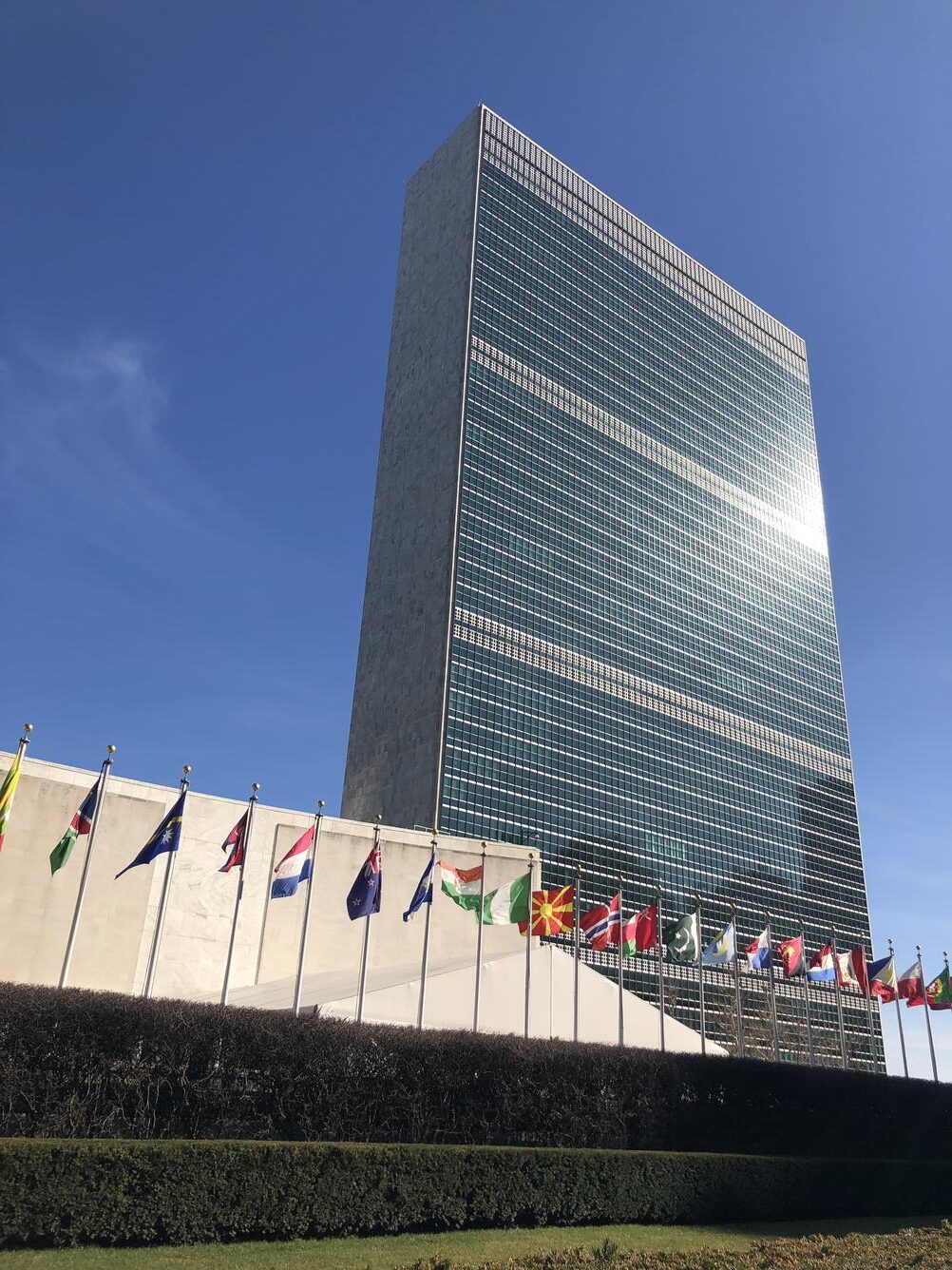
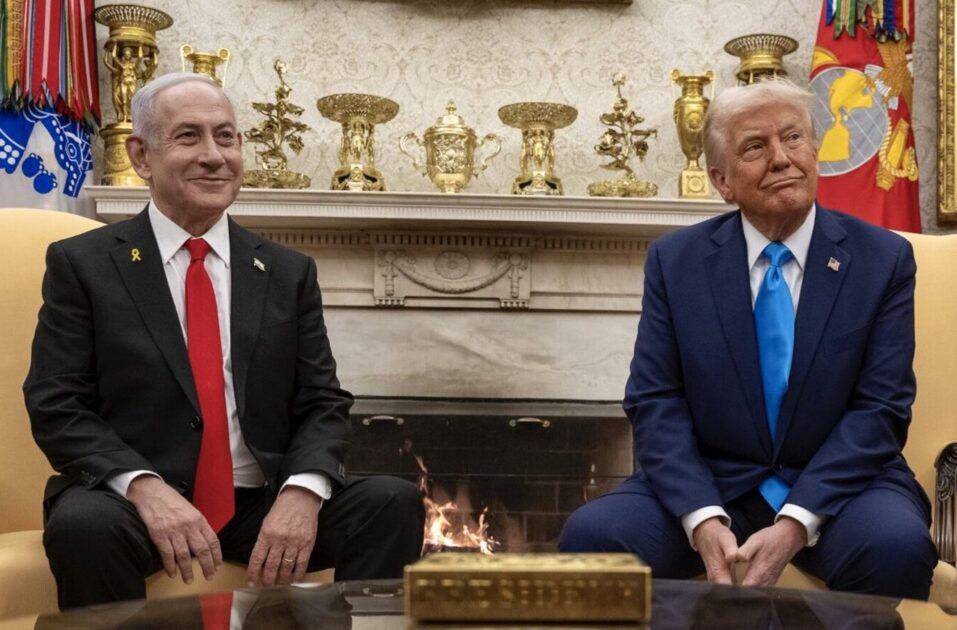
For 34 consecutive years, the UN General Assembly has overwhelmingly voted in favor of ending the US embargo against Cuba, the most recent was on October 28, 2026. For sixty-four years, the international community of conscience has condemned this unilateral, immoral, and illegal act of hostility against a member state. To-date the US has threatened friendly countries with a 30% tariff against countries that send fuel to Cuba; further, foreign companies operating in Cuba, as well as visa restrictions against Cuban government officials are all listed for sanctions by the US government. The US’ unprincipled measure to coerce other countries to vote against the Resolution to end the blockade is political blackmail and gangsterism, that imposes on the Rights of nations to self-determination and protection of their sovereignty. There is no doubt that the embargo and its escalation under both Trump administrations, has caused unnecessary hardships, including deaths for the Cuban people. In 2018 it was reported that the infant mortality rate was 4 per 1,000 births; in 2025 this figure has increased to 9.9.
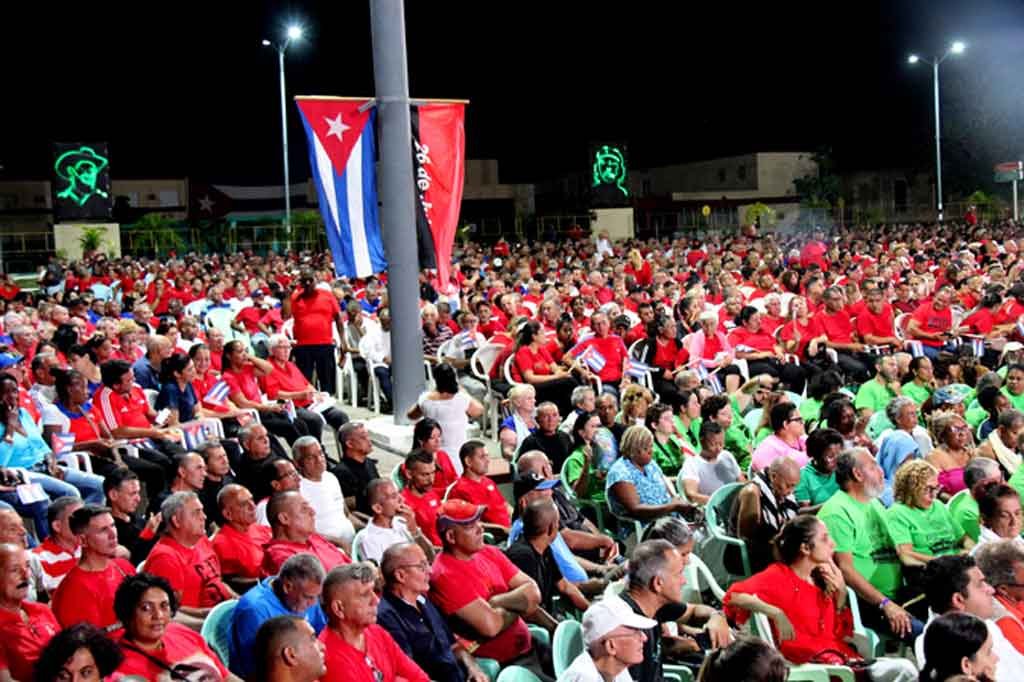
The economic costs are also striking which exposes the hypocrisy of the Corporate Media and their supporters, that the hardships are caused by the Cuban government. The Cuban government has announced that as of September 2026 the losses are estimated at US$8 billion (March 2025 to February 2026); Source: The Straits Times, September 8, 2026. The economic losses are not confined to the Cuban society only; US based companies and workers are also adversely affected by this “foolhardy” Policy. The publication Dollars and Sense has an extensive report on the idiocy of the Trump policy of “maximum pressure” and its cost to US businesses and citizens. As is usual with imperialist lunacy, what they cannot achieve through economic means they seek to achieve through militarism. There has already been suggestion and a “testing of the waters” for US military intervention in Cuba. There is a seemingly innocent yet harmful post floating around on social media, that an alleged poll of Cuban citizens, would favor a US invasion. What the lunatics in Washington fail to realize is that Cuba is not Venezuela; the majority of Cubans love their country, and are aware of who the enemy is that is causing their hardships, and is willing and prepared to defend their land at all costs.
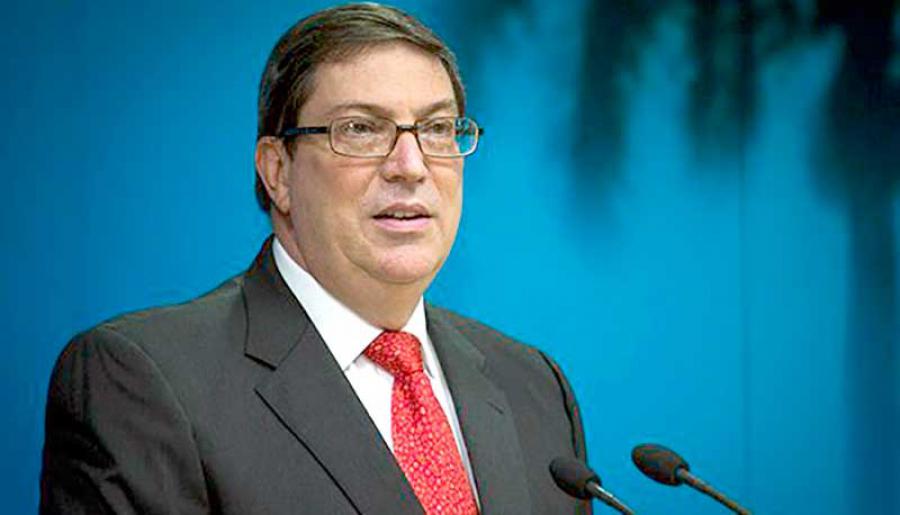
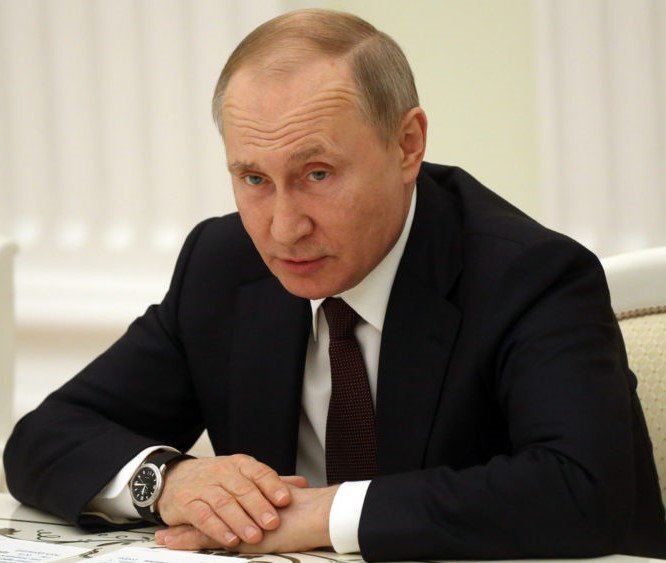
Mr. Bruno Rodriguez Parilla, Cuba's Minister of Foreign Affairs - Photo: misiones.cubaminrex.cu
The Cuban People: Resilience and Creativity
Despite the economic stranglehold placed on Cuba by the US, the country has found creative ways to survive, keep their country intact and continue to provide social and other services to their citizens, as challenging as they are. In July of 2024, the Center for Molecular Immunology of Cuba had produced the world’s first therapeutic vaccine against lung cancer; the drug CIMAvax-EGF, was registered in Belarus earlier that month. Belarus was also the first country in Europe to register the COVID-19 vaccine Soberna, also developed in Cuba through their biotechnological and pharmaceutical sector. During the Covid-19 pandemic, Cuba produced five vaccines and had one of the lowest Covid deaths in the Western Hemisphere.
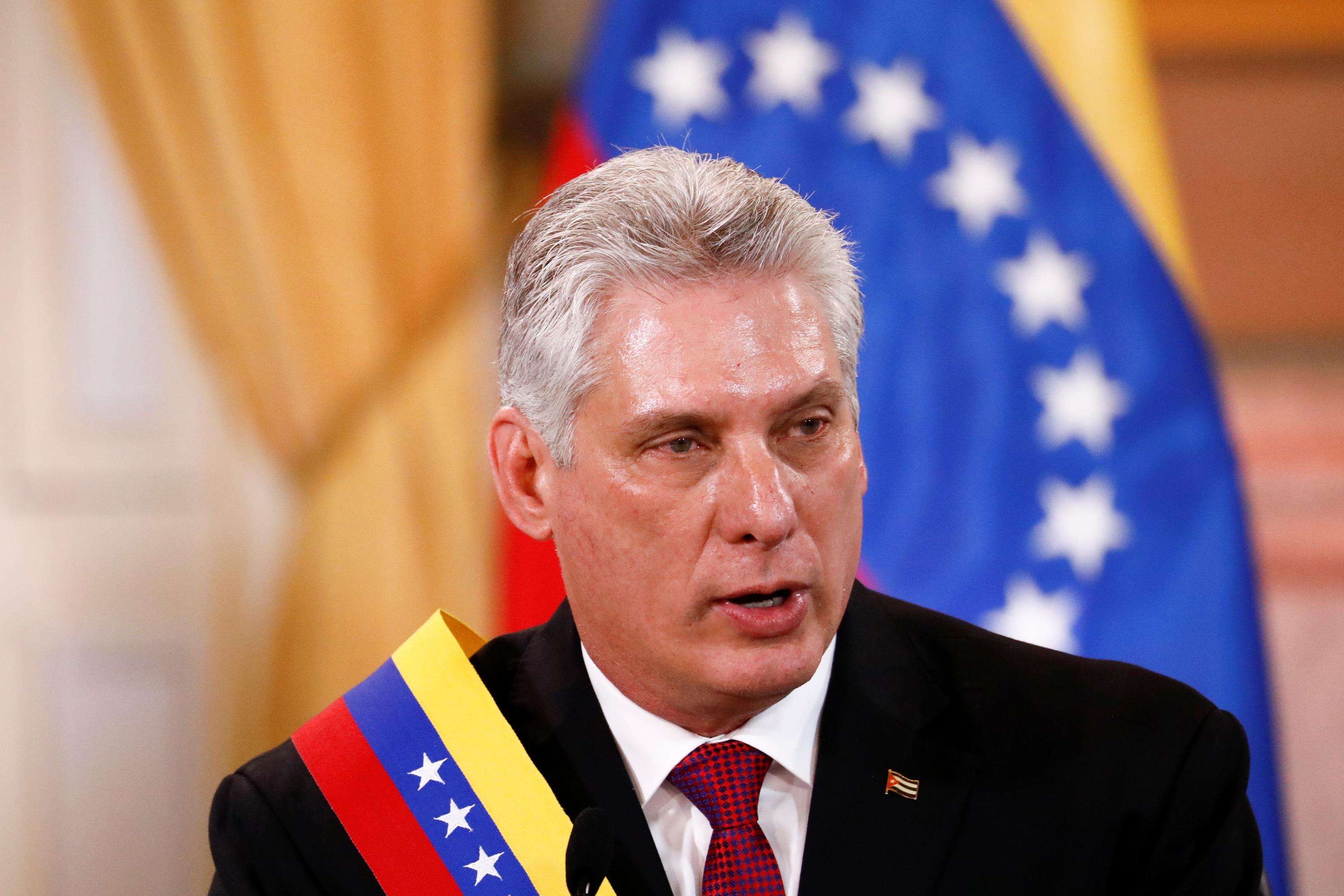
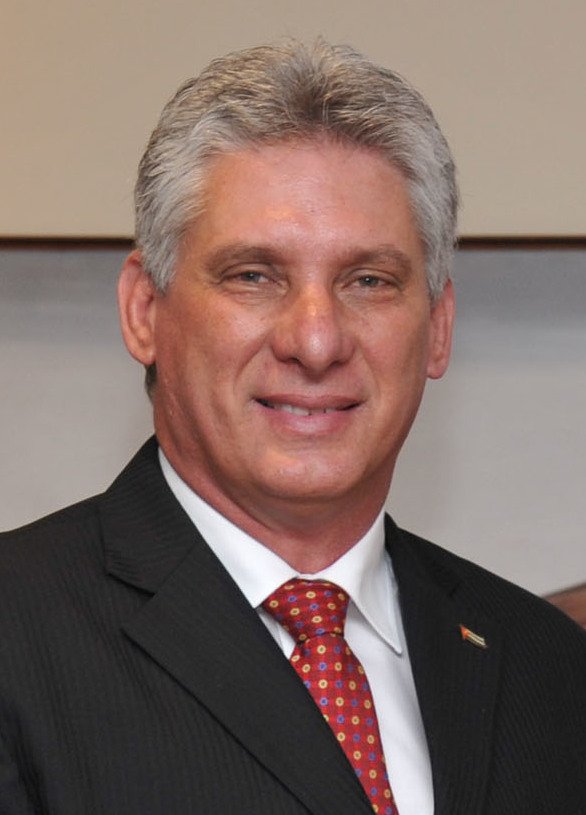
The 2026 school year opened with enthusiasm by both government officials, parents, and students, that the guaranteed right of education for all citizens would continue. The government has introduced new modalities of instruction for all levels of education depending on location, resource of the institution and adjustments to the organizational structure of the respective school. On November 16, 2026, Cuban President Miguel Diaz-Canel proposed the transformation of the sugar industry, which will prioritize electricity generation and the production of sugarcane derivatives. Despite a reduction in overall performance and output of the industry, the government has reiterated its commitment to revitalizing the industry, since it is one of Cuba’s critical foreign exchange earners. In keeping with the objective conditions, Cuba is getting set to implement 176 economic and social changes aimed to boost domestic production, increase interaction with the global economy which will include foreign trade and investments.
Energy production is a critical component of the Cuban society, especially in the light of the US oil and petroleum products blockade; decentralization of the island’s electricity supply is crucial. Most of the island’s electrical production comes from old, oil-fired electric plants. Breakdowns, maintenance issues, and the oil embargo puts a strain on an already beleaguered system. The Cuban government and China are collaborating to build mid-sized solar parks, some of which are already in use; along with the supply of solar panels, this will greatly reduce the island’s dependence on oil for electricity generation. From a macroeconomic point of view, the government has enacted a Law which will set up, oversee, and regulate commercial actions between public and private enterprises.
We Must Not Lose Cuba
It is high time for all people of conscience, who believe in and support working class democracy, the right of nations to self-determination and the protection of sovereignty, the rule of International Law, and the reality of a multi-polar world, to organize and mobilize through Trade Unions, civic and faith-based organizations, and elected officials, for mass social activism to bring an end to this inhumane madness, based on an obsession of “great power” chauvinism.
Over 2,289 Cuban lives has been lost in the liberation struggles of southern Africa; in Angola 2,070 Cubans perished answering the call from the People’s Movement for the Liberation of Angola (MPLA) for assistance in their struggle against apartheid South Africa. Cuba has never entered any country, in any capacity militarily or otherwise, without the explicit invitation of the legitimate and organized forces supported by the masses of its citizens. “We come here with a sense of the great debt that is owed the Cuban people. What other country can point to a record of greater selflessness than Cuba has displayed in its relations to Africa?” – Nelson Mandela in Havana, Cuba, on his first trip outside of Africa in July of 1991. Cuba’s scientific, medical, and technological achievements have been shared worldwide, even as far as Italy during the pandemic. In spite of its own challenges, Cuba has consistently expressed solidarity with the oppressed wherever they are. The island of Cuba is being bullied and punished, because they overthrew a wretched and oppressive regime led by Fulgencio Batista, and the local oligarchs and US multinationals, and put their country on a path of real independence.
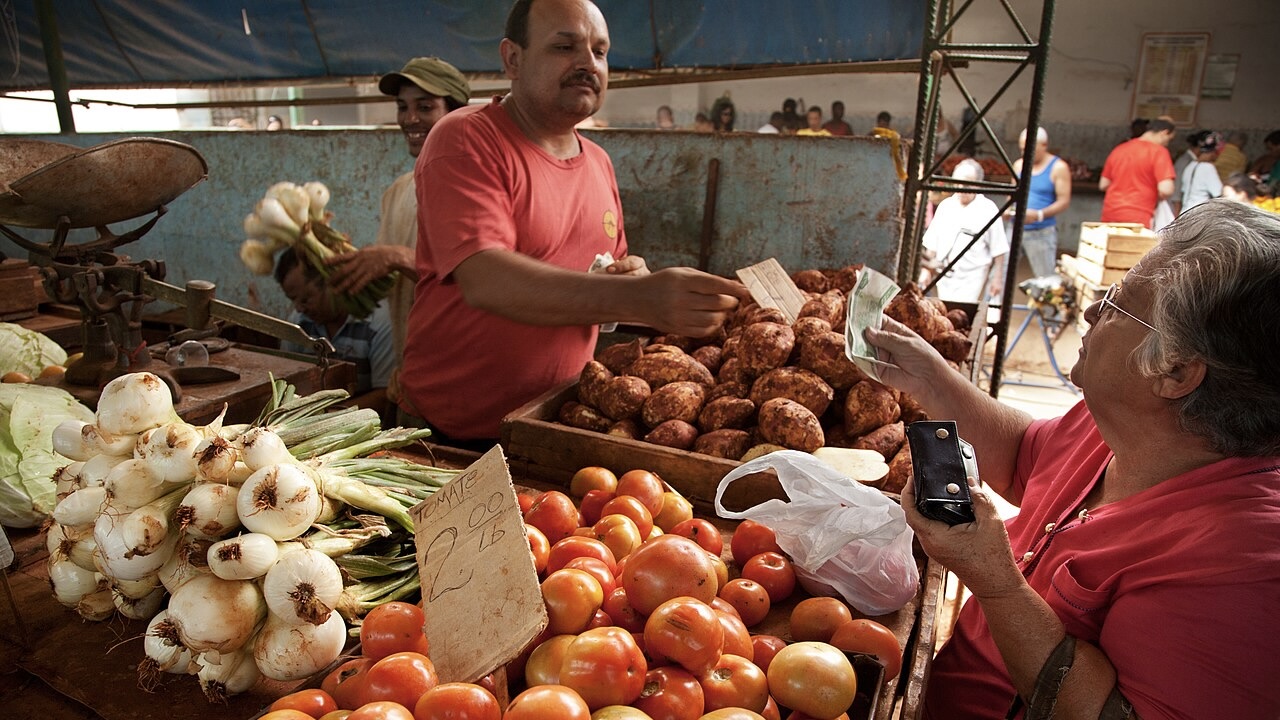
Fruit & vegetable market, Havana, Cuba - Photo: Wikimedia Commons
Cuban journalist Laura Prada, at the beginning of the electricity blackout following the oil blockade had this to say: “For more than 72 hours, Cuba is in the dark but not defeated.”
Patria o Muerte! Fatherland or death!





Share with your network